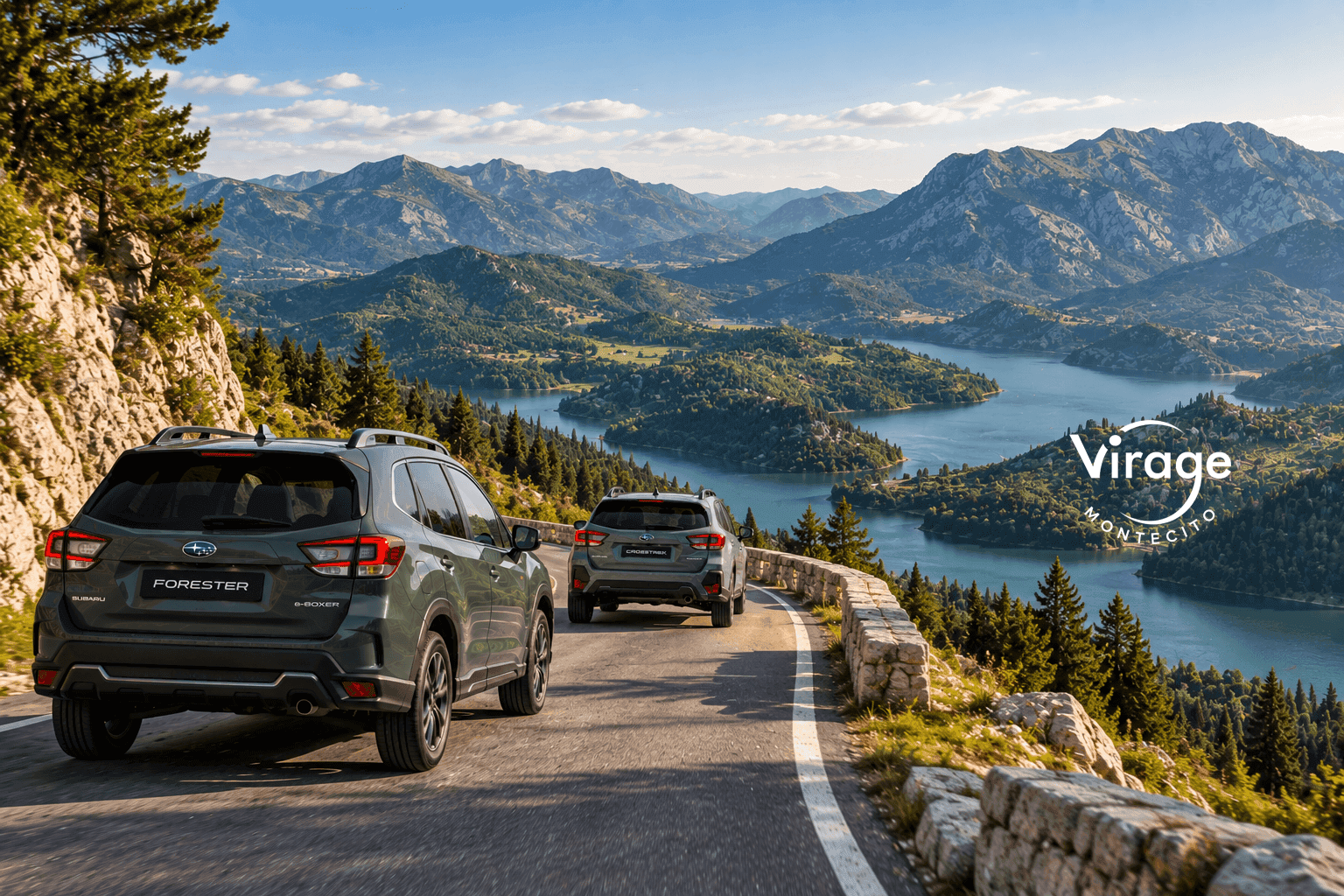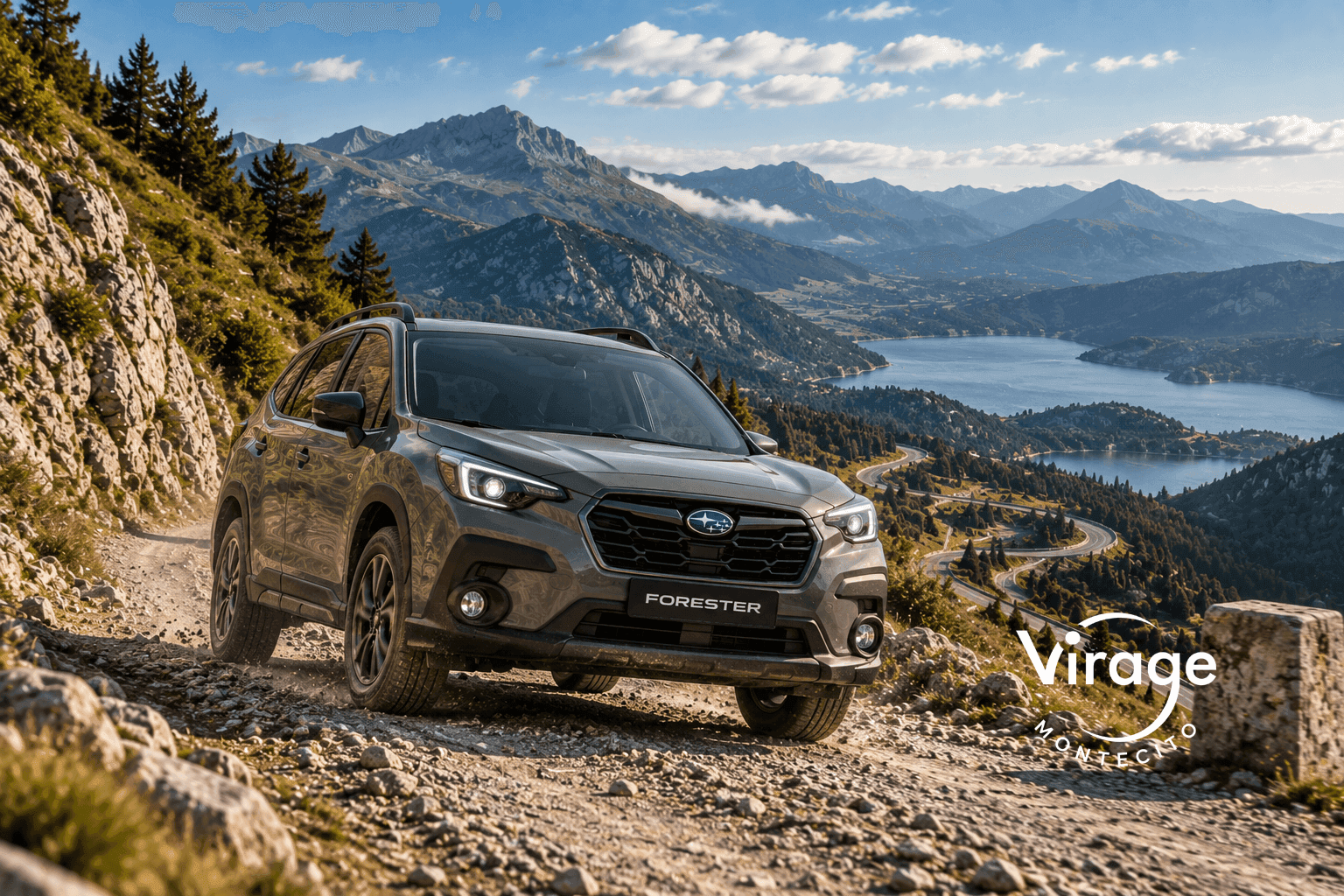
Driving the Kotor Serpentine Road: A Complete Guide
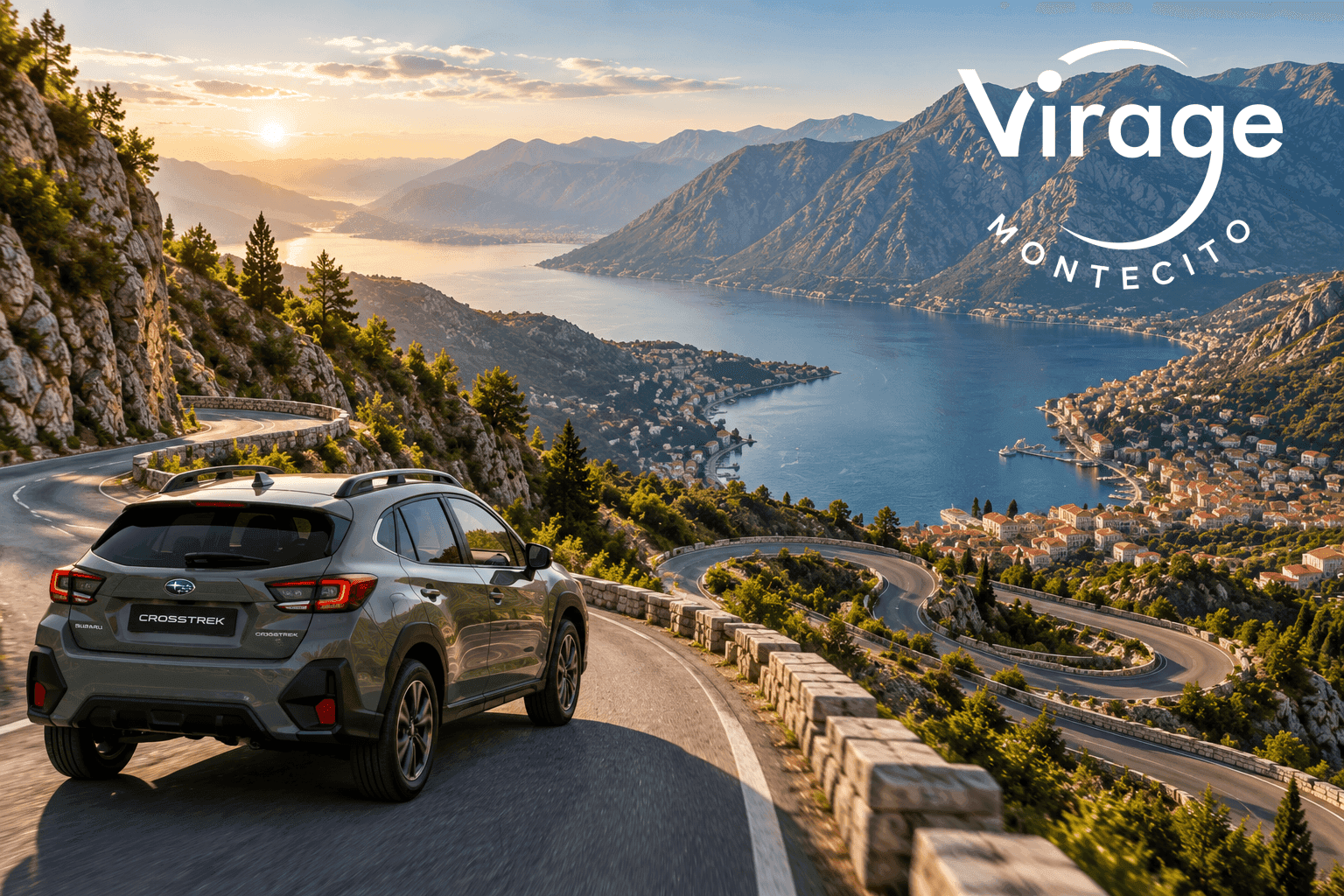
Few roads in Europe deliver what the old road above Kotor delivers — 25 sharp switchbacks climbing out of the old town toward Njeguši and Cetinje, with the entire Bay of Kotor opening up beneath you on every turn. It's one of the most photographed stretches of tarmac on the Adriatic, and deservedly so.
Where it starts and where it goes
The road begins just above Kotor, at a junction on the edge of town, and climbs toward Njeguši — the ancestral village of the Petrović-Njegoš dynasty — before joining the main road to Cetinje. The full climb to the top runs about 16 kilometers, but between the constant hairpins and the narrow surface, plan on 30 to 45 minutes without stops — longer than the map distance suggests.
What to expect on the road
- Narrow lanes: In many spots there's barely room for one car, so passing oncoming traffic sometimes means reversing to a wider point.
- No barrier in places: The road edge is unguarded in stretches, with a steep drop toward the bay.
- Viewpoints: A handful of pull-offs along the way double as informal lookout points — great for photos, but pull fully off the road.
- Cyclists and walkers: The serpentines are popular with cyclists climbing the grade, so take corners slowly.
Before you start: a quick checklist
- Fuel up in Kotor: there's nothing resembling a full-service petrol station once you're on the climb itself.
- Give the car a once-over: it's a rental, but it's still worth a quick check of tyre condition and brake feel on the flat before you hit the switchbacks.
- Charge your phone: you'll want it for photos, and for maps if you continue on to Cetinje.
- Use low gears on the way down: engine braking saves your brake pads on the long descent back toward the bay.
- Plan your turnaround: decide in advance whether you're doing an out-and-back to a viewpoint or continuing over the top to Cetinje — it changes how much time you need.
When to go
Early morning is best — lighter traffic, softer light for photos, and cooler temperatures for a long climb. Avoid late afternoons in summer, when tour buses and rental cars bunch up on the narrowest sections.
Common mistakes to avoid
The most frequent issue on this road isn't mechanical, it's behavioral: drivers stop mid-lane for a photo instead of pulling into one of the marked viewpoints, which is exactly where a queue forms behind them. Another common mistake is attempting the climb for the first time at dusk, when the light drops fast and the drop-offs are harder to judge. Riding the brakes continuously on the way down also overheats them faster than most drivers expect — shift down instead and let the engine do more of the work.
Why an AWD car makes sense here
Gradients on some stretches exceed 15%, and the surface can stay damp even in good weather, thanks to shade that lingers in parts of the route. A car with Symmetrical All-Wheel Drive holds traction better through tight turns and on the climb, especially when you need to stop suddenly for oncoming traffic.
Combine it with Njeguši, Lovćen, and Cetinje
Most people don't just drive the serpentines and turn around — the road naturally continues to Njeguši, known for its prosciutto and cheese producers along the main street, and from there you can detour up to Lovćen National Park or carry on to Cetinje, Montenegro's former royal capital. Treat the serpentines as the first leg of a longer loop rather than a there-and-back trip, and you'll get more out of the same tank of fuel and the same day.
Parking in Kotor before you climb
Old Town Kotor itself is car-free, so plan to park at one of the lots outside the town walls before heading toward the base of the serpentine road. Summer mornings fill these faster than you'd expect, so arriving early does double duty — easier parking and quieter switchbacks.
If this drive is on your list, book a Subaru with AWD ahead of time — summer availability fills up fast, especially for vehicles set up for Montenegro's mountain roads.
Ready to explore Montenegro yourself?