Why AWD Is Essential for Driving in Montenegro
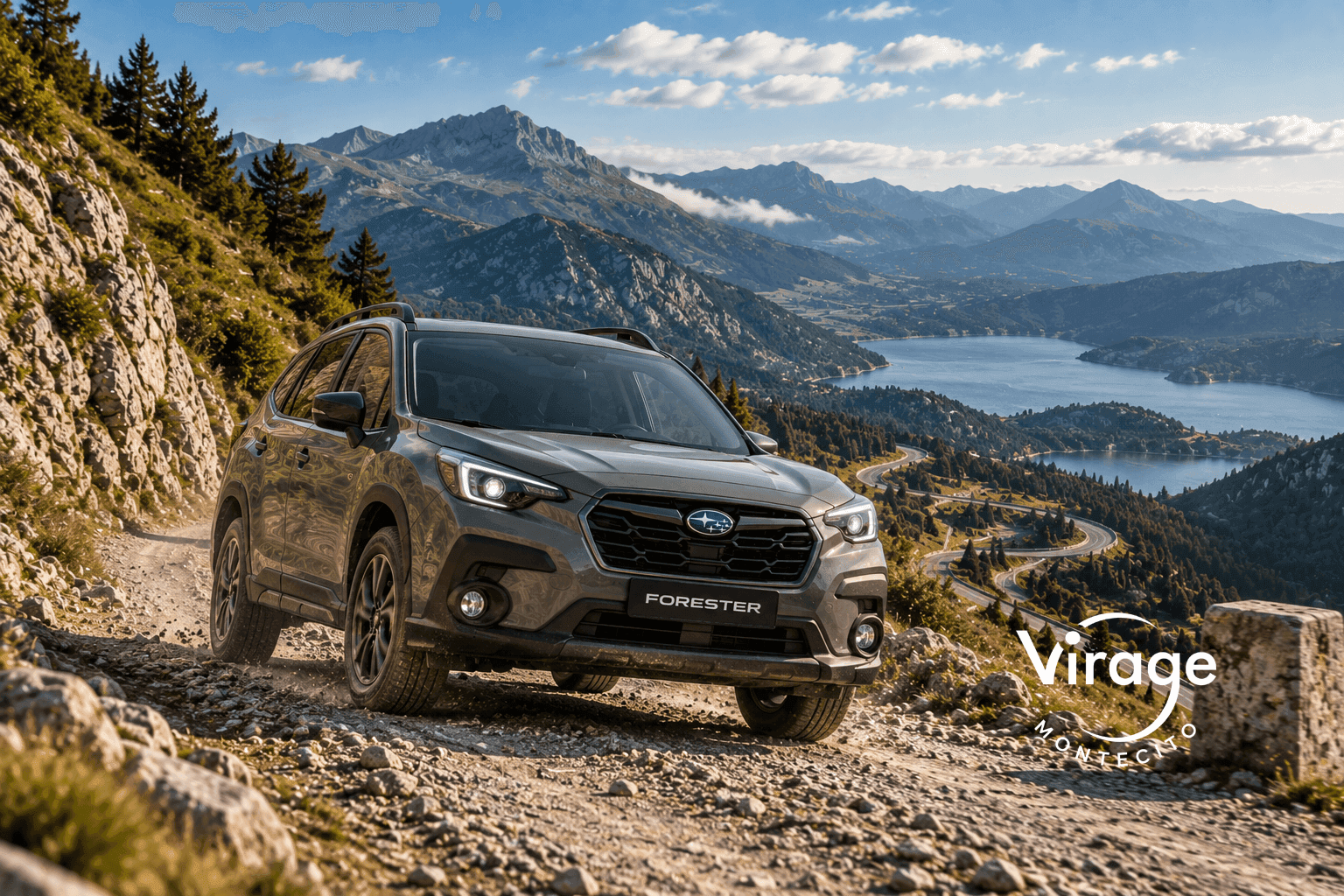
Montenegro is often described as a country where you can see the sea, a canyon, and mountains above 2,000 meters all in one day. That variety of landscape means a variety of roads — and that's where all-wheel drive stops being optional and becomes a practical need.
Terrain that calls for it
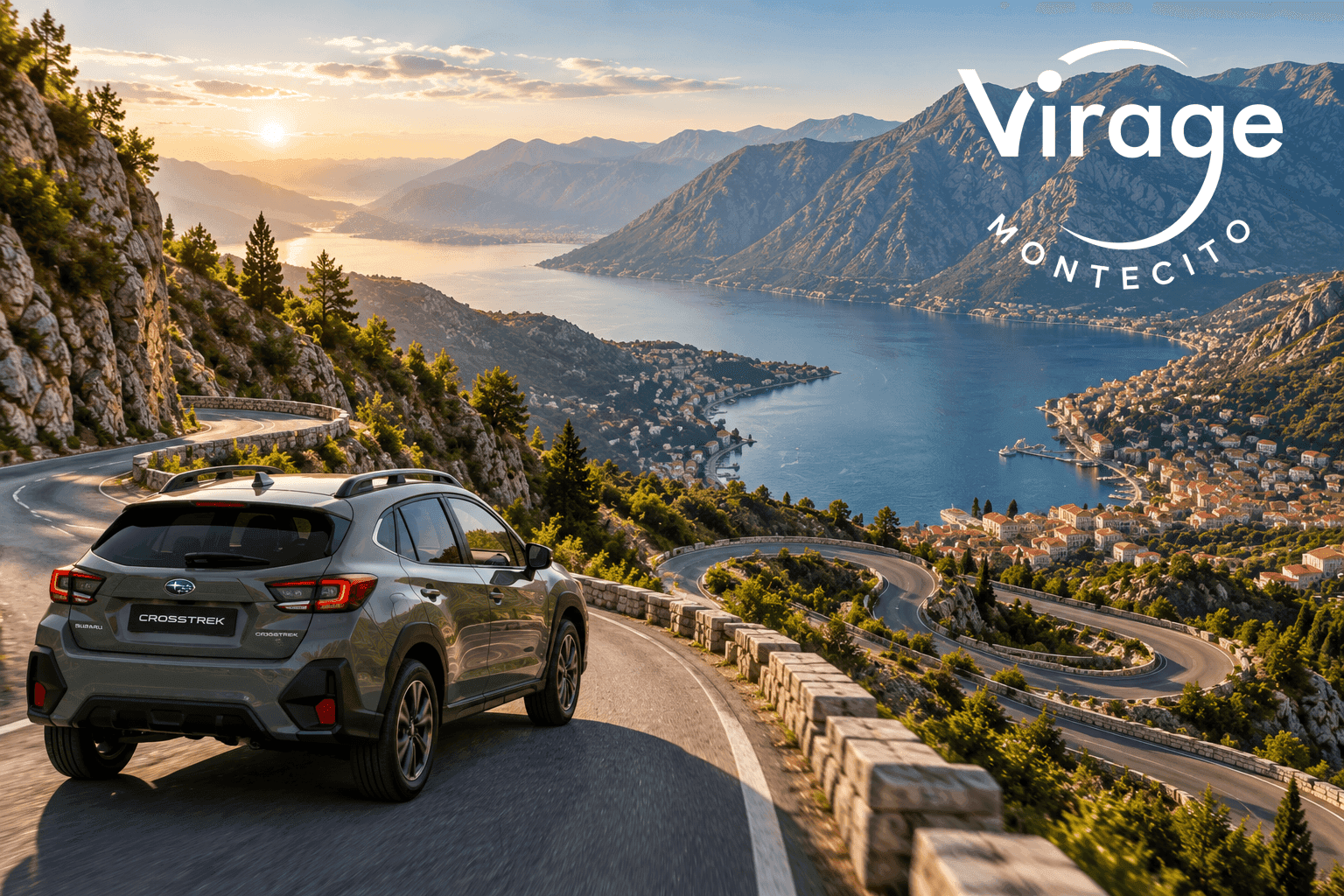
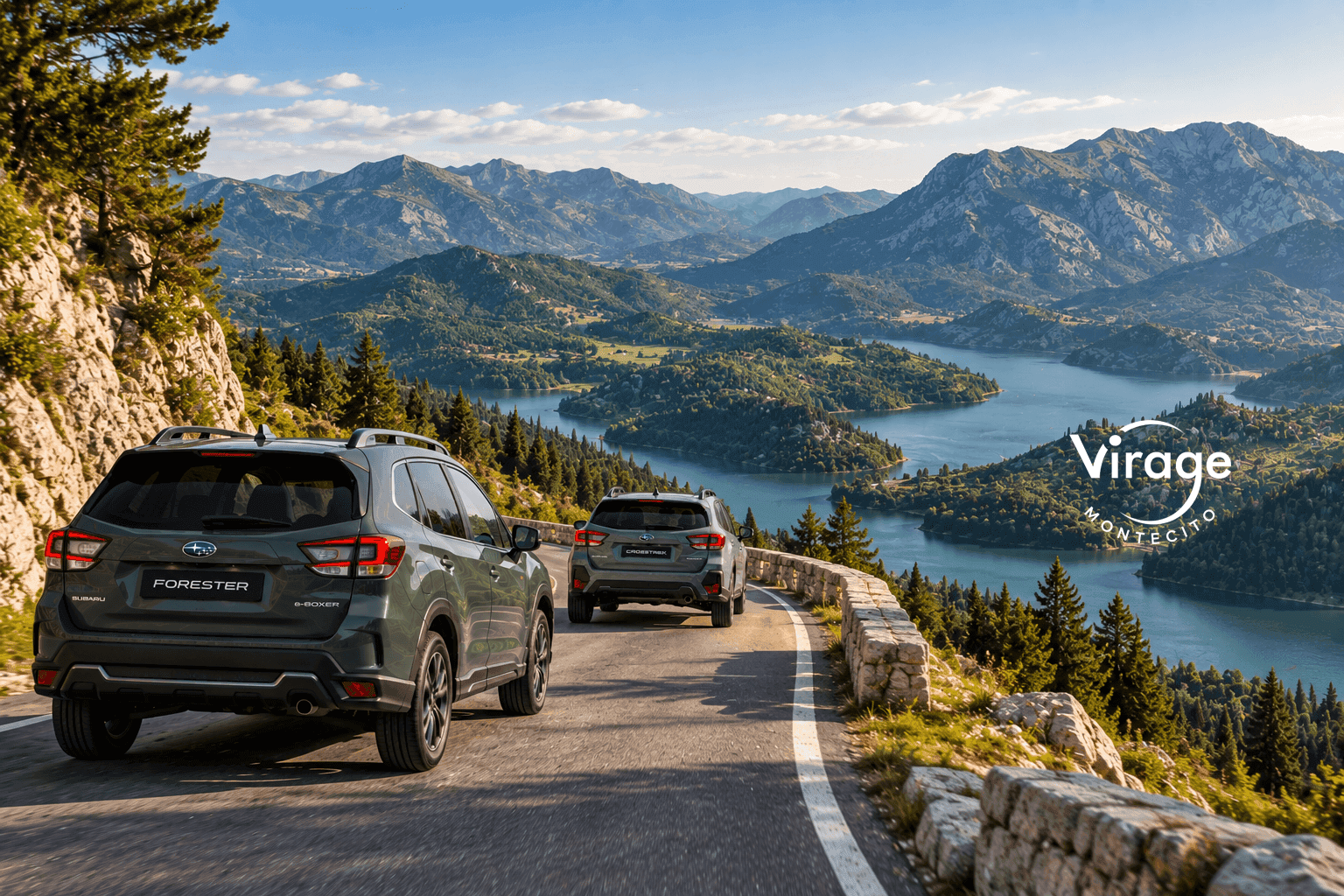
Coastal towns are linked by narrow, winding roads that hug the cliffs. The interior, from Lovćen to Durmitor, adds steep climbs, sharp hairpins, and stretches that narrow to a single lane. This isn't terrain for a front-wheel-drive economy car the moment you leave the main highway.
AWD versus two-wheel drive, in practice
A front-wheel-drive car sends power to two wheels; on a steep, wet incline, or when starting from a stop on a grade, it's easier for those two wheels to lose grip. All-wheel drive constantly manages power across all four, which is most noticeable exactly in the situations Montenegro serves up often — a tight uphill hairpin, a sudden shower on a mountain road, or pulling away on a cobbled slope in an old town.
Weather changes faster than you'd think
The coast can be sunny and 20°C while Lovćen or Durmitor sit under fog, rain, or even snow — especially outside peak summer. Drivers planning a mountain excursion on the same day they were at the beach often aren't ready for that shift, and AWD makes a real difference in traction when it happens.
"I'm only driving the coast" is a common assumption
Plenty of visitors plan to stick to the coastal towns and assume AWD is only relevant for the mountains. In practice, even a coastal itinerary usually includes at least one climb — up to a hilltop viewpoint, into an old town's upper streets, or over to a lookout above the bay — plus the occasional summer downpour, which turns a normal descent into a slippery one for a few minutes. AWD is there for those moments as much as for a full mountain route.
Old towns, wet cobblestones
The cobblestone streets in old towns like Kotor and Budva get slick when wet, and many parking areas and access roads sit on a grade. Better traction off the line and through corners takes the stress out of parking and maneuvering in tight lanes.
What Symmetrical AWD actually does
- Distributes power to all four wheels as needed, not just two
- Improves traction on uphill starts and through sharp turns
- Adds stability on wet, gravelly, or uneven surfaces
- Reduces slippage under sudden braking on a downhill grade
What AWD doesn't do
It's worth being direct about this: AWD improves traction, it doesn't cancel out bad decisions. It won't shorten your stopping distance on a wet road as much as simply slowing down will, and it doesn't replace attentive driving through a blind hairpin. Treat it as one part of a safer trip — alongside sensible speeds, extra following distance in the rain, and slowing down well before a corner rather than braking mid-turn.
Seasonal notes
Outside the summer months, the higher routes — Lovćen, the road to Durmitor, anything above roughly 1,000 meters — can see snow or ice with little warning, sometimes while the coast stays mild. If you're driving in the shoulder or winter months and heading inland or uphill, AWD becomes even more valuable, and it's worth checking road conditions before setting off on any northern route.
Bottom line
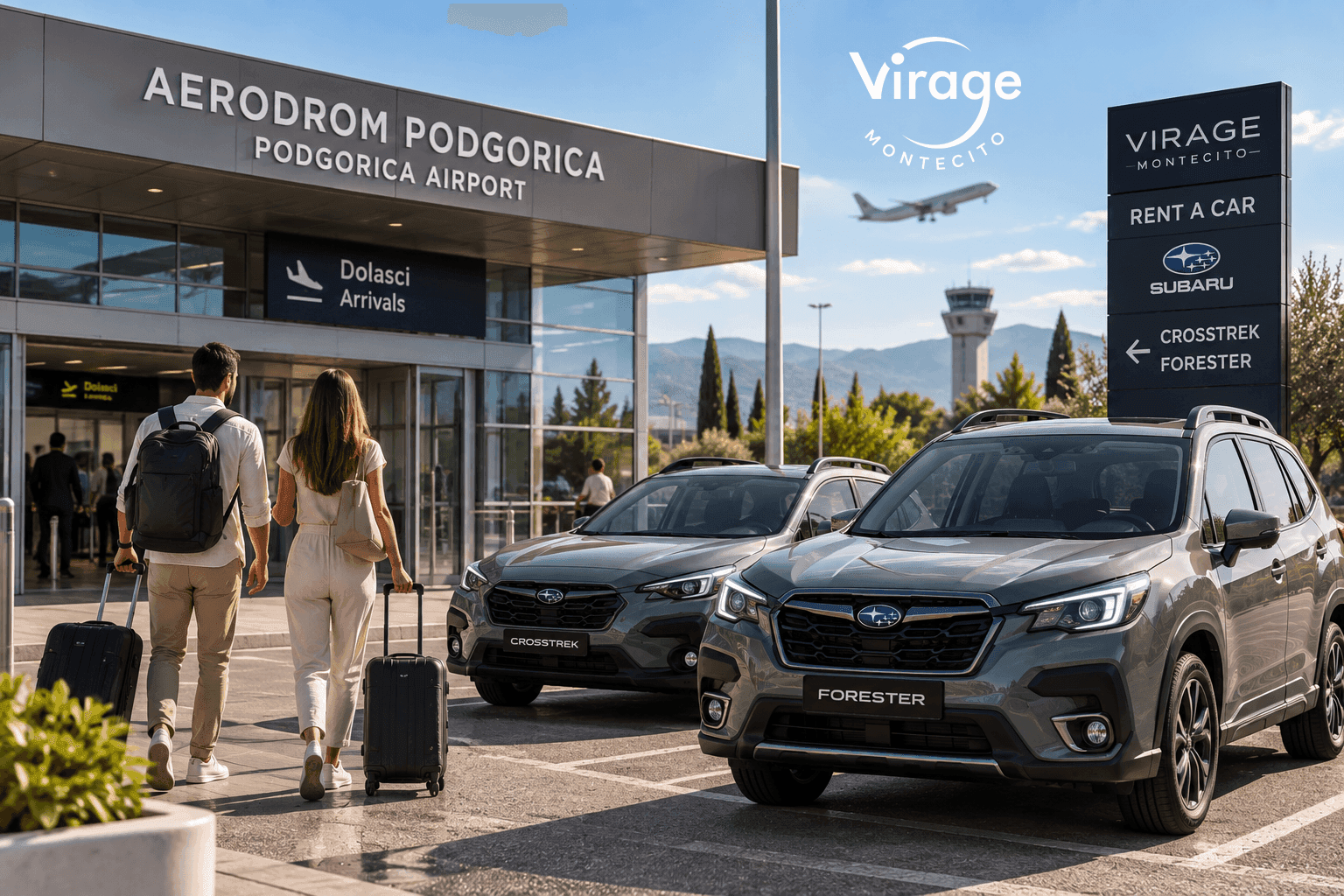
You don't need to leave the pavement to feel the difference — one serpentine in the rain, or one downhill stretch on wet cobblestones, is enough. That's why our entire fleet, without exception, comes with Symmetrical AWD — not as an add-on, but as the standard for driving in Montenegro.
Ready to explore Montenegro yourself?